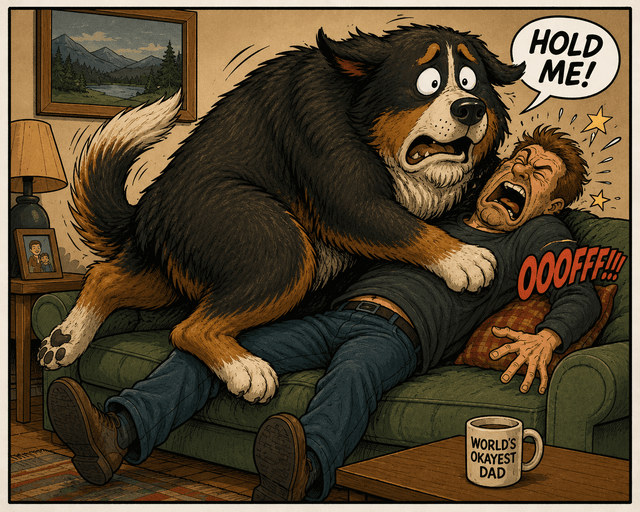
Bringing home a new puppy is exciting. Between selecting food, toys, a bed, and all the other essentials, it's easy to overlook one of the most important aspects of raising a healthy, happy dog: giving them enough space.
Many owners of puppies and small-breed dogs assume that because their dog doesn't take up much space, they don't need much room. In reality, puppies grow rapidly, have bursts of energy throughout the day, and benefit tremendously from having a safe area where they can move, play, rest, and explore.
So how much space does a puppy really need?
Why Space Matters
A puppy's environment plays a major role in their physical and emotional development. While supervision and exercise are essential, puppies also need a secure area where they can spend time safely when you can't watch them every second.
Providing adequate space can help:
- Encourage healthy movement and muscle development
- Reduce boredom and frustration
- Support house training routines
- Minimize destructive behaviors
- Create a comfortable area for rest and relaxation
A puppy that is confined to a space that is too small may become stressed, restless, or more likely to develop unwanted habits such as excessive barking, chewing, or accidents.

The Difference Between Crate Space and Living Space
Crates serve an important purpose for training, travel, and sleeping. However, a crate should not be considered a puppy's primary living area throughout the day.
Think of a crate as a bedroom, not an entire apartment.
When puppies are awake, they benefit from having a larger area where they can:
- Stretch comfortably
- Walk around freely
- Play with toys
- Access water
- Interact with family members
Many owners find that combining a crate with a larger playpen or containment area creates the ideal balance between safety and freedom.

Consider Your Puppy's Adult Size
One of the biggest mistakes new dog owners make is setting up a space based only on their puppy's current size.
That tiny 5-pound puppy may eventually grow into a 15-, 25-, or 35-pound adult dog. While many small and medium-sized breeds remain well suited for indoor playpen setups, they still need enough room to move comfortably, play, rest, and stretch throughout the day.
When planning your puppy's space, consider:
- Expected adult size
- Energy level
- Breed tendencies
- Number of hours spent in the area each day
Many owners find that starting with a flexible setup that can be expanded as their puppy grows makes it easier to adapt to changing needs without completely redesigning their space later.

More Space Doesn't Mean Less Structure
Some owners worry that giving their puppy more room will make training more difficult.
In reality, the goal is to create a structured environment rather than simply providing unlimited freedom.
A well-designed puppy area can include:
- A sleeping area
- Water station
- Feeding area
- Toys and enrichment activities
- Space to move and play
This allows your puppy to learn independence while remaining safe and supervised.
Signs Your Puppy May Need More Space
Your puppy may benefit from a larger setup if you notice:
- Excessive pacing
- Frequent whining or barking
- Destructive chewing
- Difficulty settling down
- Constant attempts to escape confinement
- High energy levels despite regular exercise
While these behaviors can have many causes, inadequate space can sometimes contribute to frustration and restlessness.

Creating a Safe Puppy Zone
Every home is different, but many owners find success by creating a dedicated puppy zone where their dog can safely spend time during the day.
A thoughtfully designed space allows puppies to move freely while protecting both your pet and your home.
Features that many owners appreciate include:
- Clear visibility for monitoring
- Easy-to-clean surfaces
- Durable containment panels
- Expandable configurations as the puppy grows
- Protection for flooring and furnishings
The goal is to provide a secure environment that supports both training and healthy development.
How Much Space Is Enough?
There is no single measurement that works for every puppy. A young Maltese, Mini Dachshund, or Toy Poodle will have different needs than an energetic Cockapoo, Mini Goldendoodle, or French Bulldog.
As a general rule, your puppy should have enough room to:
- Stand comfortably
- Turn around easily
- Stretch out fully when resting
- Move between sleeping, eating, and play areas
- Play with toys without feeling confined
Many owners discover that giving their puppy a little more space than they initially planned results in a calmer, happier dog and an easier training experience.
Final Thoughts
There is no single perfect answer to how much space every puppy needs. Factors such as breed, age, energy level, personality, training goals, and daily routine all play a role.
What is universal, however, is that puppies thrive when they have a safe environment that allows them to move, explore, rest, and grow.
When planning your puppy's setup, think not only about where your puppy is today, but where they will be six months from now. Providing an appropriately sized space can make training easier, support healthy development, and help create a happier experience for both you and your dog.
Important Disclaimer
This article is intended for general educational purposes only. Every puppy is unique, and space requirements can vary significantly based on breed, age, temperament, health conditions, and individual needs. Always consult your veterinarian, breeder, trainer, or other qualified animal professional for guidance specific to your dog and circumstances.
More stories
Why this Rabbit Boarding Studio Uses the Lucidium Pen